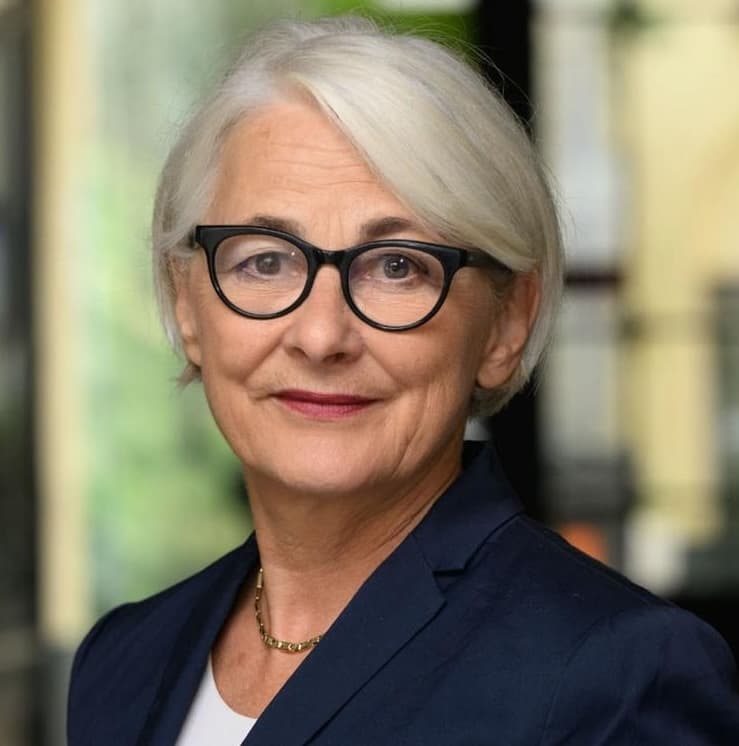
Sabine Sparwasser
Diplomatic & Policy Advisor
Former German Ambassador to Canada. As Dean of the Mercator Fellowship on International Affairs she mentored Alexander through his 2025 fellowship year.
LinkedIn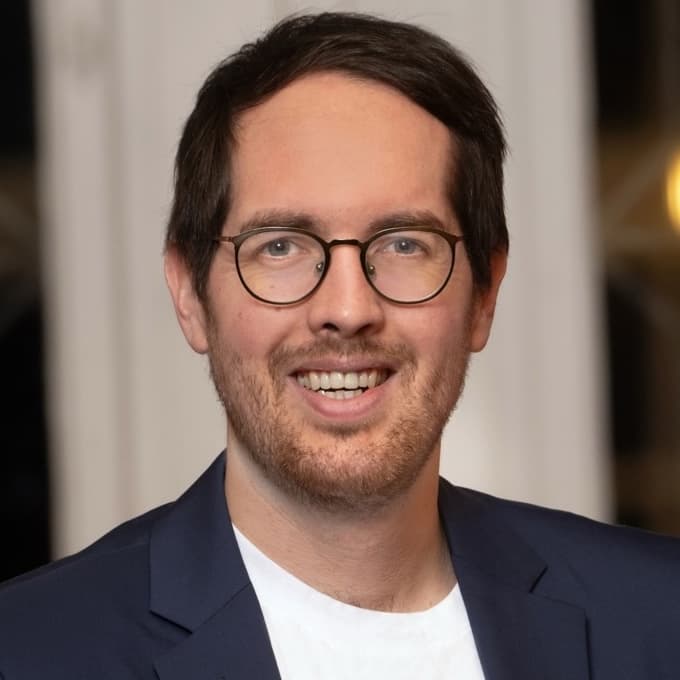
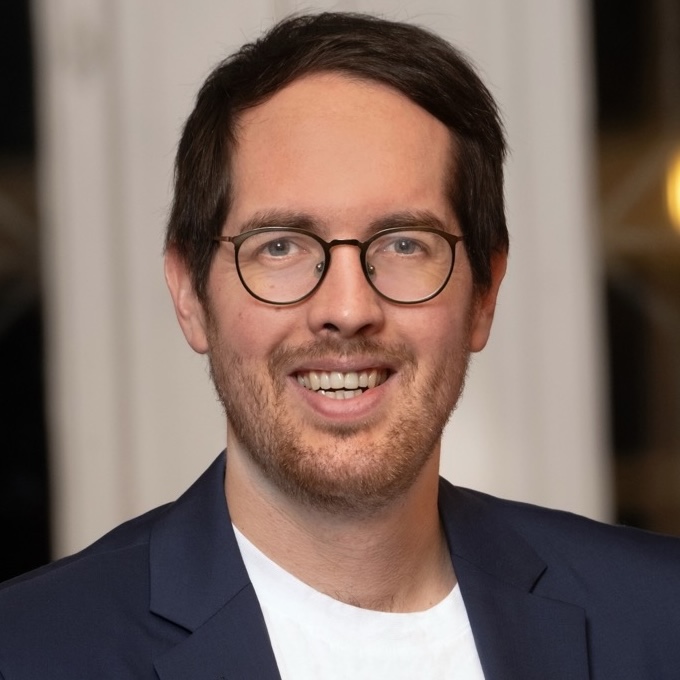
Founder · Product & Smart Contracts
Berlin
At NanoCredit he builds the smart contracts and the app. He ran the pilot week with three stores in Metro Manila in September 2025.
CTO at Leondrino, a regulated Berlin fintech that lets companies issue their own branded digital currencies. Before that, co-founder and CTO of a Berlin hardware startup for almost five years: sensors from idea to retail shelves.
Mercator Fellow on International Affairs, 2025. The contracts and the Manila pilot came out of that year.
He also works as an interim CTO for mid-sized companies, mostly on AI, and builds NanoCredit with the same agent-based workflow.
MSc Computer Science, Shanghai Jiao Tong University. MSc International Business, KU Leuven. Earlier he ran sales in China and India for a German engineering firm.
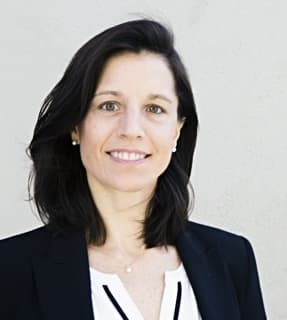
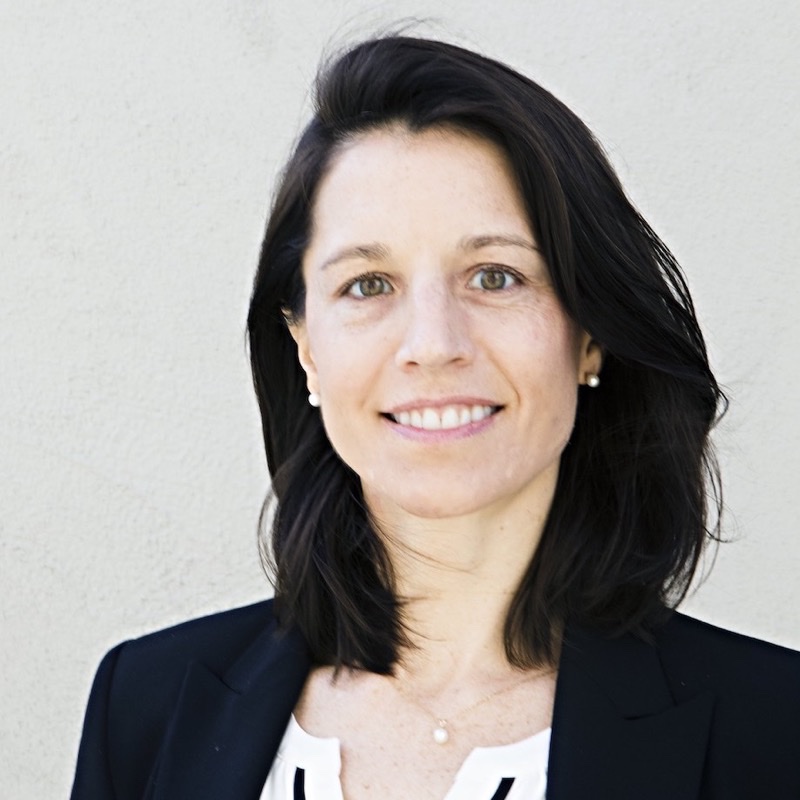
Co-Founder · Revenue & Partnerships
San Francisco Bay Area
At NanoCredit she runs revenue operations and partnerships, and leads the U.S. field work, which started with the city of Oakland.
Two decades in fundraising and partnerships for impact organizations including microfinance. At CARE she scaled the Village Savings & Loan community lending model around the world through strategic corporate partnerships. At Kiva she built the first major gifts program enabling peer-to-peer 0% interest lending online.
Later she led fundraising at Family Independence Initiative (today UpTogether) and Fair Trade USA, bringing individuals, foundations, and government resources together to solve poverty's systemic challenges.
In 2006, as project lead for Grameen Foundation's Village Phone pilot in the Philippines, she adapted the model from Uganda and Rwanda and localized it to Filipino villages, proving the concept and scaling up from 50 to 500 “village phone lady” entrepreneurs.
Since 2003 she has run her own consulting and advisory practice for companies and NGOs.
Master of Public Administration and MA in International Studies, University of Washington, Seattle. MBA Certificate in Global Trade, Transportation and Logistics.
A first contractor is planned after the round.
2010
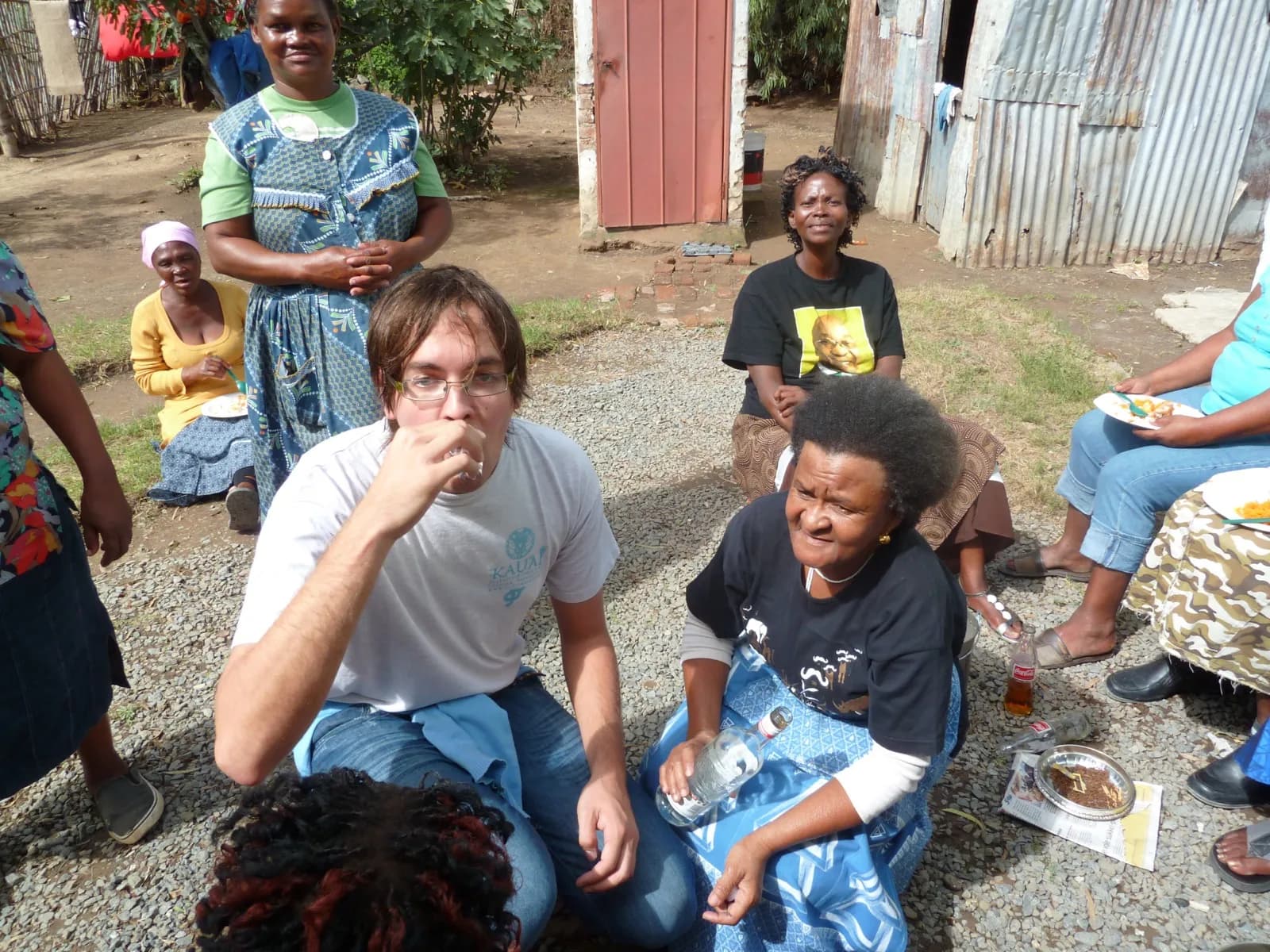
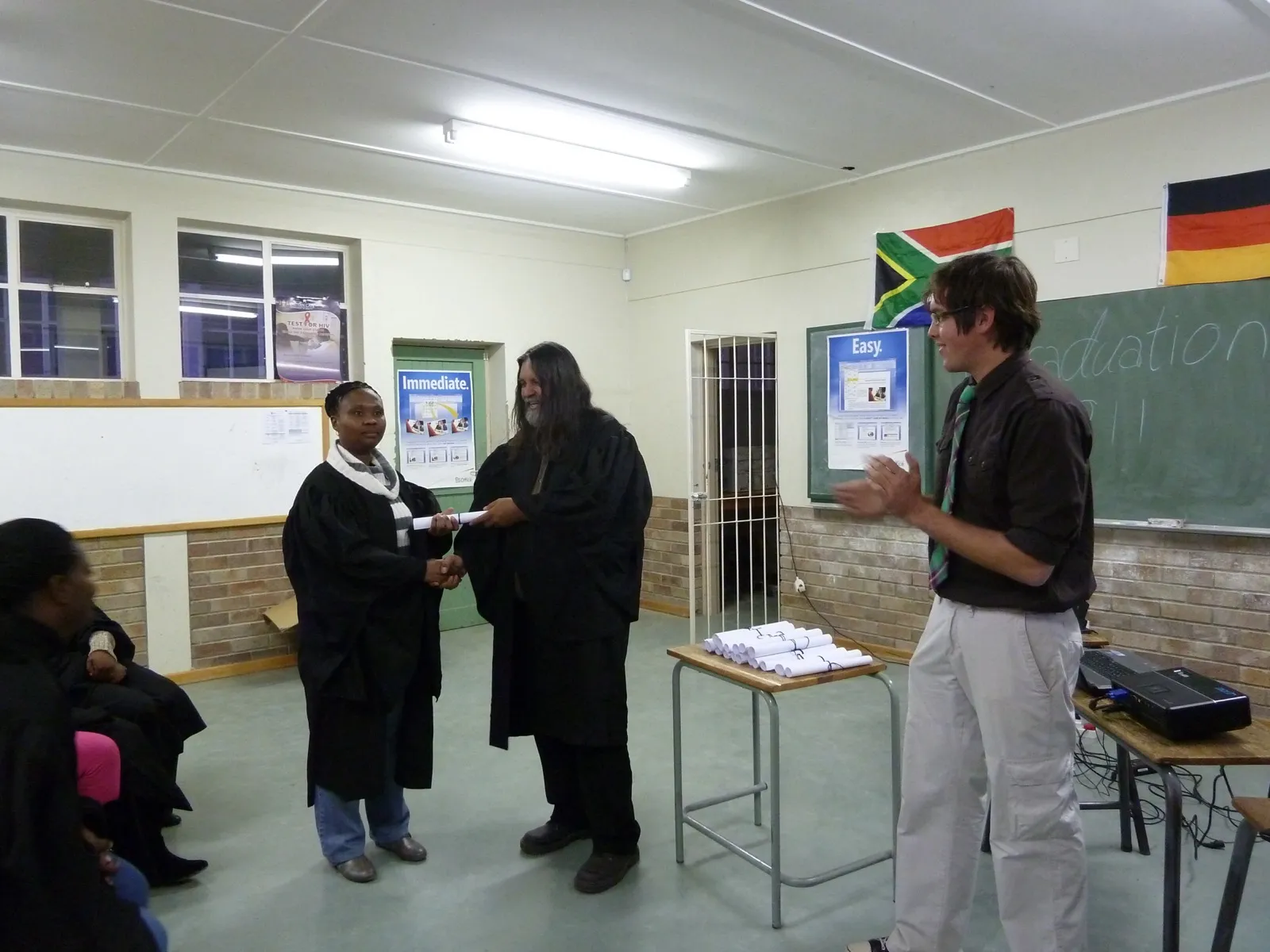
A year of voluntary service in a township: rolling out IT in schools and teaching evening computer classes.
He lived with a local family. It was the first time he saw, day by day, what it costs people when no system reaches them.
2025
A fellowship year on financial inclusion: the contracts were built, the World team met, three stores in Metro Manila found.
September 2025: one pilot week on World Chain mainnet, three stores. The pilot ran as planned. A regulatory action against the identity provider in the Philippines (not against NanoCredit) paused the market.
2026
Legal structure for Argentina worked out with local counsel: a credit line to the store, a licensed peso off-ramp partner, pilot volume under the local registration threshold.
Advisory board complete, US regulatory research for a trial with a nonprofit partner, this site rebuilt. Next: ten stores near World Orb locations in Greater Buenos Aires.
August 2026
Erin O'Brien joins as co-founder and leads revenue and partnerships from the San Francisco Bay Area.
In October the US field research begins with merchant interviews in Oakland corner stores.
Three short cuts from a podcast interview, recorded in Berlin in July 2026. No script, no deck.
Why World ID
Most projects look for a use case after the fact. Here the use case came first: credit of a few dollars, without an expensive identity check. The system does not need to know who you are, only that you are unique.
The problem
The informal standard in the Philippines. You get $5 of products today and pay $6 tomorrow. Annualised that is more than 800 percent.
The mechanism
Everyone starts with the benefit of the doubt, and can lose it exactly one time. The smart contract stops calculating interest after twelve months, so a second chance stays possible.
Recorded for the Builders: Berlin podcast by Solveri, CIC Berlin, July 2026.
The people we call before a decision.
Diplomatic & Policy Advisor
Former German Ambassador to Canada. As Dean of the Mercator Fellowship on International Affairs she mentored Alexander through his 2025 fellowship year.
LinkedIn
Investor & Network Advisor
Founder of Föckersperger Ventures, Berlin. Crypto-native investor and connector.
LinkedIn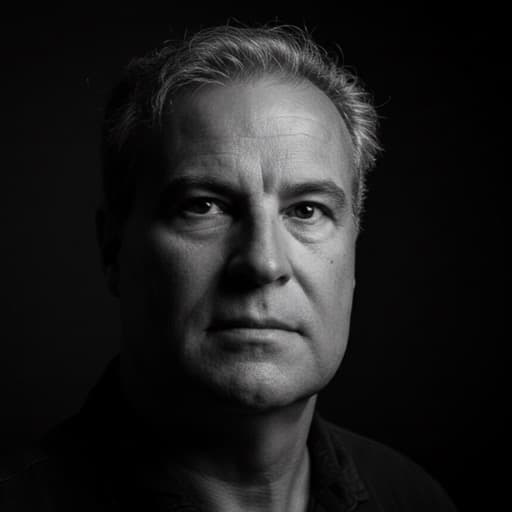
Latin America Market Advisor
Former Global Vice President of Intel's Emerging Markets Organization and President of Intel Portugal. Founded Intel Ahead, the digital-inclusion programme behind the Classmate PC. Brazilian-American, connecting Brazil, the United States, Portugal and India.
LinkedIn
Advisor · San Francisco
CTO of Doc2Doc Lending, formerly CTO of Fairbanc (closed-loop financing for micro-merchants in Southeast Asia) and at Kiva. Building on Ethereum since 2016.
LinkedInEverything you need for a short piece. Use the clips above with the source line under them.
NanoCredit provides store credit from $2.50 to people without a credit file. The credit settles with the merchant; the customer takes the goods home and repays when they can, at about 50 % a year. World ID proves each borrower is unique, at no cost to them. Deployed on World Chain mainnet, piloted in Metro Manila in September 2025. Next market: Buenos Aires, in preparation.
Thirty minutes, no deck required. Bring your questions about the pilot, the contracts or the next market.